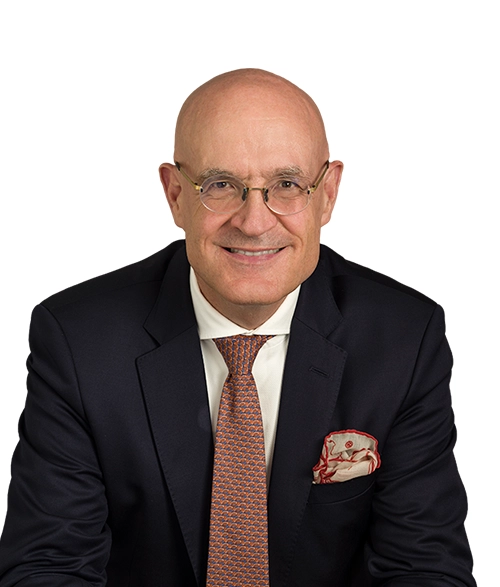
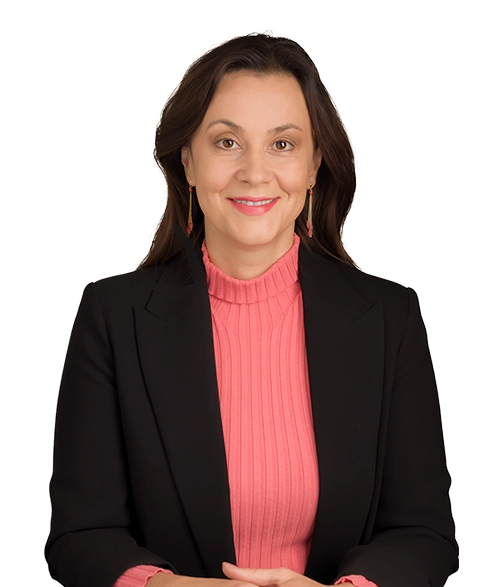
LINDEMANNLAW mit Dr. iur Alexander Lindemann und Dr. Tatiana Zakharova live on stage!
🇨🇭 GC SUMMIT SWITZERLAND 2026 ✨
📅 Tuesday, 27 January 2026
📍 Zurich Marriott Hotel
🗺️ Neumühlequai 42, Zurich, 8006
🎟️ Tickets here
📋 Agenda
📝 Event Report
Programm outline:
3.05pm-4.00pm Trading in Turbulence: Managing Tariffs, Sanctions and Geopolitical Realignment in association with LINDEMANNLAW
Geopolitics is reshaping global commerce at unprecedented speed. Tariff escalations, expanding sanctions regimes and shifting trade alliances are forcing companies to rethink supply chains, contracts and risk models in real time. For Swiss multinationals deeply embedded in global markets the stakes could not be higher.
This session examines how organisations can move beyond the noise and respond effectively to a more volatile trade environment: how legal and business leaders prepare for policy reversals, mitigate exposure to sanctions, and manage compliance when major jurisdictions diverge. With alliances shifting and regulatory certainty eroding, companies must find new ways to stay agile, anticipate shocks and operate confidently in a fractured world.
-
- Dr. iur Alexander Lindemann, founding partner, LINDEMANNLAW
- Philippe A. Huber, chief legal officer & chief compliance officer, SIG Group
- Dirk Kessler, general counsel global procurement, Nestrade
- Dr. Tatiana Zakharova, partner, LINDEMANNLAW


Session Themes
- From Geopolitical Noise to Action: How companies translate volatility, signals and uncertainty into real operational and strategic decisions.
- Sanctions, Trade Controls & Hidden Exposure: How companies manage direct and indirect exposure to sanctions, tariffs and enforcement risk across complex value chains.
- Operating Model & Strategic Design in a Fragmented World: How firms design supply chains, footprints, autonomy and resilience when global integration is no longer reliable. Governance, Legal Architecture & Decision Speed: How organisations govern decisions under geopolitical pressure including legal frameworks, contracts, escalation and discipline.
- Agency, Influence & Breakdown Readiness: How companies engage governments, anticipate failure, and prepare for disputes, exits and enforcement, not just continuity.
Questions
- Many companies now have good geopolitical awareness, dashboards, advisors, early warnings. In practice, where does that awareness fail to translate into action when tariffs, sanctions or trade rules shift, and what has actually helped you shorten the gap between “we saw this coming” and “we changed how we operate?
- In 2026, geopolitical volatility is no longer episodic, it’s the baseline.
Can strong trade compliance, sanctions readiness or supply-chain resilience move beyond risk mitigation and actually enable faster decisions, protect margins or unlock opportunities – and where have you seen that happen in practice? - Geopolitics has always shaped global business, but today it is far more directly embedded in day-to-day legal, procurement and commercial decisions. Are we now at a point where geopolitical insight needs to be institutionalised as a decision-making capability, not just a risk signal – and what skills are genuinely scarce in organisations trying to do this well?
- In complex industrial supply chains, sanctions risk is often indirect sitting several tiers down or emerging through counterparties rather than direct transactions. How do you manage that risk in practice without paralysing procurement or slowing the business?
- When geopolitical developments force rapid decisions for example around supplier substitution or market exposure, what governance mechanisms help you move quickly without compromising compliance or long-term risk posture?
- Some argue that the rules-based international order is fracturing, with economic integration increasingly used as leverage rather than stability. From a corporate perspective, where do you see this “rupture” manifesting most sharply – in trade policy, sanctions enforcement, supply-chain risk or regulatory fragmentation, and how should companies adapt their global playbooks in response?
- For multinational companies operating across great-power fault lines, how should they think about strategic autonomy in supply chains, market exposure, or regulatory compliance without fragmenting global operations?
- For global companies, what does it really mean to be “at the table” with governments and regulators in 2026, and how should GCs and senior executives engage without politicising the business or increasing regulatory exposure?
- Much of the focus is on resilience and continuity, but geopolitical disruption increasingly raises the prospect of disputes, enforcement action or forced exits. How are sophisticated companies planning for breakdown scenarios, and what role should legal teams play before those risks materialise?
- Across jurisdictions, we’re seeing geopolitics reshape not just strategy but the legal mechanics of doing business. How are companies rethinking contracts – from risk allocation to governing law and exit clauses to reflect a more volatile trade, sanctions and enforcement environment?
Dr. Tatiana Zakharova, LL.M., Partner at LINDEMANNLAW
Tatiana is leading the International Sanctions Practice. With over 10 years of experience, she specializes in investment fund structuring, cross-border agreements, and private wealth structuring. Tatiana holds a J.D. and LL.M. from Columbia University and a law degree from Moscow State University. She has worked with prestigious firms like Credit Suisse and Sidley Austin LLP. Admitted to the bar in New York, she advises on legal, regulatory, and tax matters for UHNWI entrepreneurs and institutional investors.
Dr. Alexander Lindemann, Founding Partner at LINDEMANNLAW
With a robust background in legal, regulatory, and tax advisory services, Alexander specializes in investment funds, asset management, and financial structures such as securitizations, holdings, foundations, and trusts. Additionally, he is experienced in international large-scale transactions in real estate, M&A, blockchain, art, brokerage and escrow services. His career includes prominent positions at PricewaterhouseCoopers and Clifford Chance. Recognized for his expertise, he has received several awards, including Who’s Who Legal as a leading lawyer in investment management and private funds in Switzerland.